
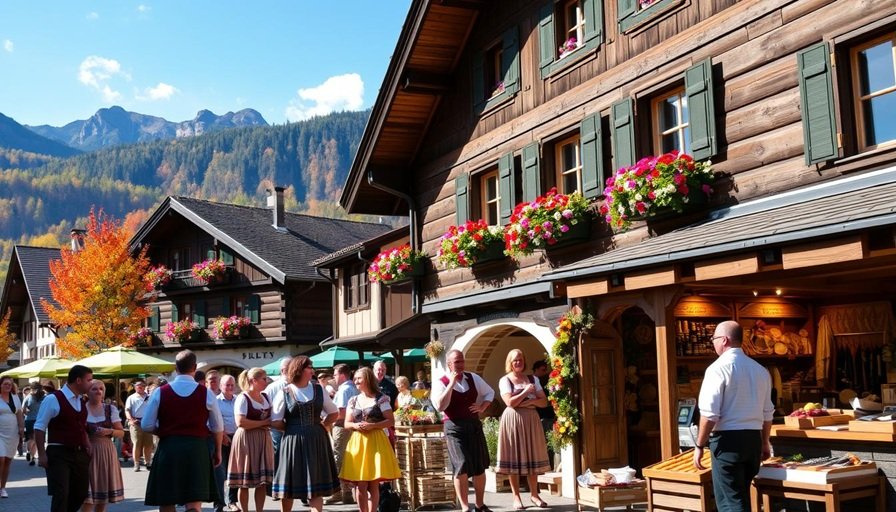

It’s not just the naturalistic beauty and athletic enjoyment that render life in the Alps so special, but there’s a heritage of cultural endeavors across the years that symbolizes what it means to live in these mountainous regions. Architecture, cuisine, music, celebrations, agriculture and language of the area feature efforts and endeavors articulated over successive generations, stemming from what was established by ancestors in the past and what’s always been part of the fabric of existence. Instead of a tangible goods approach to Heritage as it’s merely something from years gone by, the following tangible goods critically relevant to civilization impress what it means for daily endeavors and village celebrations across the year that tie to what it means to live in the villages and gives real significance to a population absorbed in its homeland. The more that is learned about what it means to live in the mountains, the more connections are made as to what renders people who they are based on their terrain, professions, approach, and focus across the years. Therefore, Heritage is a locally grown component that spans throughout the area and is crucial to life on every mountain.
Architecture Of Mountains – A Product Of History, Climate and Craft
One of the most recognizable aspects of regional culture is Alpine architecture. Built out of necessity and years of working with wood and stone, the chalets are easily distinguishable across villages. Slanted roofs, thick wooden beams, large balconies and carvings into the wood were built against snow and winter. Snow could not sit on the roof for fear of collapse, so slanted surfaces redirected precipitation to the ground. Stone was utilized for foundations due to excessive moisture, while the villages prided themselves on intricate woodwork by their artisans. Transportation from DIA to Vail CO is often referenced by travelers comparing how mountain regions preserve architectural identity while still adapting to modern access and infrastructure. Many villages have literally lived in these buildings for centuries—renovating them as needed but keeping historical identity and they continue to house modern events that link back to ancient skills. Even modern Alpinist homes generally keep their traditional form and materials as a nod to cultural identity. Architecture is practical yet beautiful, a nod to an ancestral way of life.
Mountain Farm Life Shapes Cultural Identity To This Day!
Farming/pastoral life have long been a way of life for settlers and still prove to be an identity marker. High pastures boast cows, goats, and sheep during summer months, an integral part of landscape configuration. The Almabtrieb or désalpe, for example, celebrates the moving of livestock from high pastures back to the villages for winter, as animals are decked out with floral crowns and bells. Alternatively, in spring, they adorn the mountain sides; this is not an everyday occurrence – movement is celebrated and integral to identity. Peasant creations like butter, cheese, cured meats are stable in modern culture but efforts are taken to note how these creations are taught through generations back in time when seasons determined life in the mountains. The village calendar of events revolves around farming and animal life.
Traditional Music And Dance Craft Cultural Identity Which Unites Villages
Traditional music and dance boast cultural identity as well, woven into the fabric of village life over centuries. Local/instrumental styles include the alphorn from Switzerland; the accordion from Austria; regional violins which accompany traditional dances throughout villages which celebrate nuances of life – hardship, love, geographical pride, etc. Many villages host weekly dance nights or seasonal ones where locals dress in traditional attire – lederhosen and dirndl for men and women respectively and embroidered jackets and hats – and perform for decades. This is NOT just for tourism but for locals invested in history and socialization which builds social bonds among participants and spectators alike. Villages heard music during festivals, markets, weddings, national celebrations – it’s a joyous announcement uniting a community that knows it all too well.
Festivals Connecting Heritage, the Land and the Changing Seasons
Festivals are in abundance in the Alps. From the descent of cattle to Christmas markets to the summer solstice, there are seasonal relationships to events based upon heritage and the natural world that surrounds these changes. For example, Christmas Markets see people from all over gathering to create handmade crafts, warm foods and classic songs starting at winter’s inception. The summer brings wildflower festivals, regionally crafted implements and the visuals of alpine life as tourists flood such areas. They represent a cultural continuity and as people flock from outside the region to the Alps, such festivals lend insight into traditions that should be kept for timeless engagement throughout years. They’re not merely festivities but instead efforts in a colorful, transparent effort for who one is as a thank you gesture to whoever might live in the area.
Regional Culinary Offerings Established by Seasonal Necessities and Generational Tradition
Regional culinary offerings have made it quite memorable to eat across the Alps. Seasonal opportunities – from what is available during those months if foraging is included – mixed with what individuals have become accustomed to via family recipes passed down generations has led to raclette, fondue, polenta, schnitzel and dumplings all representative of simplistic yet effective efforts of making meals out of what one has on a small scale in remote mountained regions. In addition, once cuisine began to form, awareness of sustainability brought about cheesemaking, agriculture, foragables and the need for warm meals for cold winter days. Recipes throughout regions and valleys lend a culinary character that is distinct yet honors pride of place. To eat where one travels is not merely for sustenance but instead for historical significance – from barns to more modern family owned enterprises – wherever one ventures.
Artisanal Craft Efforts That Transcend Generational Efforts Still Practical
The Alps are known internationally for artisan crafts; woodcrafts, textiles, embroideries and metalwork are just a few examples of carving crafts that have taken decades – if not centuries – to perfect. As immigrants became settled into mountain lifestyles, practicality found its way into handiworks for tools made, furniture in pint-sized homes and aesthetic objects throughout nature that otherwise would have no human constructed developments. Over time craftsman became artisans with specific recognizable designs associated with regionalized identity and today market venues thrive throughout the Alps that emphasize those artisans still celebrating such time honored traditions. Hand carved wooden figures, lace embroidery, cowbells, leatherworks and pottery are just some common works created that are worth mentioning for their timehonored attributes that blend practical application with aesthetic value. These efforts are more than mere souvenirs but pieces that showcase contemporary conditions of what it’s like to live in the mountains over generations; to celebrate an artisan is to honor their skills from every effective day in their lives to their nostalgic usefulness.
Multilingual Memories of the Multinational Alps
Wherever one travels in the Alps, it’s not surprising that a multitude of languages and dialects reign. Beyond the three major ones – German, French and Italian – the lingua franca of regions of the Alps – lingua franca of specific regions (Romansh, Ladin, Walser German, etc.) and valley derivatives unique to smaller areas exist and rarely outside their domiciles are spoken. Each difference denotes a story of migration, immigration and relative proximity of other family names given to the mountain ranges. One could easily code switch in conversation as rapidly as these villagers boast a historical connection to multiculturalism. But it’s more than speaking what’s on one’s mind in the Alps – it’s a means of pride, generational struggle and perseverance and connection to identity through artistic expression and cultural heritage on a daily basis.
The Importance of Folklore, Stories and Mountain Myths
When people think of Alpin culture, they often think of folklore. Instead of sciences, when people needed to understand phenomena or circumstances of life in the mountains (especially with relatively small villages as the home base came into play), they told stories – for example, of spirits that brought them across town on trails, animals that pointed them into the proper direction, creatures that kept them huddled indoors or courageous townspeople that battled nature on behalf of the populace. These stories still exist today through festivals, songs, museums and even public hikes to guide people along. Therefore, they link people to their past for cultural significance at a time when many traditions would have faded away in a modern world. Therefore, outside travelers learn what those who’ve called the Alps home for generations believed to be fears personified in champions and values.
Community Life Based on Tradition and Support for Each Other
Living within the boundaries of the Alps is all about knowing how to cohabitate. Extreme weather patterns, geography, isolation, even agricultural necessities mean that living amongst each other is a must if one wants to survive. Therefore villages exist until this day based upon traditions that serve as the best way to learn how to work together – the need to maintain trails, shared pastures, organization of festivals, maintenance of historical landmarks and beyond. There are social events, clubs and activities that span generations, making this not only a part of identity revitalizing for culture but also an aspect of strong communities that can weather anything and stay open to outsiders. This is often evident right away within village settings where locals go out of their way to make tourists feel like they’ve known them forever.
Why Culture and Heritage of the Region Enhance the Travel Experience
Traveling within the Alps for culture and heritage transforms an otherwise holiday experience into something far more purposeful. More than breathtaking views and the great outdoors, the Alpine traditions signify a way of existence predicated on respect for the land, community, and artistry. Each meal, hike, and village trek becomes more meaningful when one understands the culture from whence it comes. Regional heritage explores how people have been living within and dependent upon these mountains for centuries and how the cultural legacy is ever-evolving rather than a relic of the past.
Traditional Clothing/Folk Costume – Regional Identity Within the Region
Across the Alpine landscape, traditional clothing plays a prominent role (especially during festivals, weddings, and cultural events). The dirndl, a traditional costume for women, is often made from a cotton or patterned fabric in Austria and Bavaria. These long dresses have stood the test of time through generations of stitching and embroidery, with each design reflective of the wearer’s heritage and pride of their cultural past. Appenzell outfits in Switzerland are known for their silver-studded belts and vibrant colors, while in the Dolomites region, Ladin costumes boast rich fabrics and elaborate details. Traditional clothing is not just an exterior experience but something symbolic – representative of ancestry, customs, and collective identity. When one encounters villages alive with traditional clothing, it becomes powerful for cultural exchange, along with great insight into the evolving heritage of these thriving communities.
Seasonal Cycles Marking Work, Festivities, and Community Patterns
In the Alps, seasonal cycles mark work, celebration, and community patterns. The world is so interconnected with nature’s ability to provide that winter often means isolation – but this deepens community storytelling, crafts, and events in the warmth of homes. Spring marks new beginnings as herders prepare to move livestock from valleys into higher elevation pastures; summer bursts with outdoor connectivity as the growing season for agriculture flourishes and tourism peaks. Harvest celebrations in autumn reign supreme as cattle return back down from the mountains after much effort for those who use them for dairy and meat purposes. These seasons foster an innate connection to the land and her resources as a cyclical appreciation of agriculture and craft dictates survival. Such patterns highlight culturally cohesive legacies that feel new yet ancient in their ongoing patterns.