
Technology continues converting, and so does the way organizations construct software. A few years ago, developers wrote code and handed it over to operations teams for deployment. Today, that antique technique in reality can’t maintain up with the call for faster updates, consistent enhancements, and dependable apps. This is why DevOps has ended up a must-have skill within the IT world.
If you’re considering taking a DevOps course, this guide will give you a clear concept of what to expect — without the typical advertising buzzwords.
Table of Contents
So, What Exactly Is DevOps?
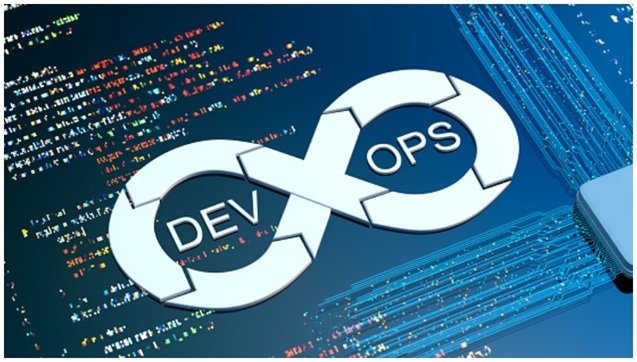
DevOps isn’t a tool or a programming language. It’s a way of working where improvement and operations teams come collectively to construct software faster, with fewer bugs, and with more automation.
You can think of DevOps like this:
Developers build the car
Operations ensure it runs smoothly on the road
DevOps combines both — build and run better, together.
The goal is simple:
- Reduce manual paintings
- Automate everything feasible
- Deploy updates without breaking matters
- Fix problems earlier than customers even word them
What Do You Learn in a DevOps Course?
A precise DevOps course trains you to manage the complete software program journey — from writing code to deploying it and maintaining it walking. You’ll paint with actual equipment that companies use every day.
Popular Tools You Will Use
| Purpose | Tools |
|---|---|
| Source Control | Git, GitHub, GitLab |
| Automation & CI/CD | Jenkins, GitHub Actions |
| Cloud Platforms | AWS, Google Cloud, Azure |
| Containers | Docker |
| Container Orchestration | Kubernetes |
| IaC (Infrastructure as Code) | Terraform, Ansible |
| Monitoring | Grafana, Prometheus, ELK |
| Scripting | Bash, Shell, Python |
Most DevOps paintings revolve around those equipment, so arms-on practice topics more than concept.
What Topics Are Covered?
Every institute has its very own syllabus, however the middle principles remain comparable. Expect to study:
Continuous Integration & Deployment
You’ll learn how to mechanically check and install code without anticipating lengthy approvals.
Cloud Services
Most apps today are hosted on the cloud, so you’ll learn how to deploy and manage them on AWS, Azure, or GCP.
Docker & Kubernetes
These help release packages in lightweight boxes and manipulate them when they develop to lots of customers.
Infrastructure as Code
Instead of setting up servers manually, DevOps engineers write code to create infrastructure. Tools like Terraform make this possible.
Security & Monitoring
You don’t simply install apps — you track their performance, discover issues early, and secure them from attacks.
Who Can Take a DevOps Course?
One of the best things about DevOps is that you don’t need to be a coding expert to get started. You just need basic computer knowledge and curiosity.
Best Suited For:
- Fresh graduates who want an IT career
- Software developers who want higher increase
- System directors
- QA/Test engineers
- Network engineers seeking to switch roles
- Anyone interested by cloud computing
Knowing primary Linux and scripting virtually facilitates, but you can examine it throughout the route.
DevOps Course Duration
Depending at the studying tempo and content material, publications may ultimate:
| Type of Course | Duration |
|---|---|
| Short Bootcamp | 1–2 months |
| Professional DevOps Program | 3–6 months |
| DevOps + Cloud Masters Program | 6–12 months |
If you want deeper knowledge and better job opportunities, choose a course that includes AWS + Kubernetes.
DevOps Course Fees
Course fees range depending on vicinity, trainer enjoy, and intensity of the curriculum.
| Country | Fees |
|---|---|
| India | ₹20,000 – ₹1,50,000 |
| USA | $1,000 – $8,000 |
| UK | £600 – £5,000 |
Online guides and community classes are commonly less expensive than complete study room packages.
Certifications That Boost Your Career
While learning DevOps is extremely good, having certifications helps you stand out whilst making use of for jobs. Some of the useful ones encompass:
- Docker Certified Associate
- AWS Certified DevOps Engineer
- Azure DevOps Engineer Expert
- Google Cloud Professional DevOps Engineer
- CKA/CKAD (Kubernetes certifications)
You don’t want each certificate. Start with one and construct enjoy gradually.
Jobs After a DevOps Course
After completing a DevOps course, you may practice for special roles primarily based to your abilities:
- DevOps Engineer
- Cloud Engineer
- Site Reliability Engineer (SRE)
- Automation Engineer
- CI/CD Engineer
- Release Engineer
- Kubernetes Administrator
- DevSecOps Engineer
These roles exist in nearly each industry — e-commerce, banking, healthcare, gaming, telecom, and extra. Companies like Netflix, Amazon, Infosys, Wipro, IBM, and startups all depend heavily on DevOps.
Salary Expectations
DevOps engineers are paid nicely because the activity calls for trouble-solving, deep technical expertise, and real-time decision-making.
| Country | Avg Salary |
|---|---|
| India | ₹6 LPA – ₹20 LPA+ |
| USA | $90,000 – $150,000 |
| UK | £45,000 – £85,000 |
| UAE | AED 120,000 – 350,000 |
With right revel in and certifications, salaries can grow right away.
Final Thoughts
If you revel in studying new equipment, like operating with real systems, and need a job that can pay well and evolves continuously, then DevOps is really really worth pursuing. Companies will continue to undertake automation and cloud computing, and DevOps will continue to be at the center of all of it.
It’s not a “brief skill” you analyze in a weekend, however with practice and the proper steering, it could open doors globally.