
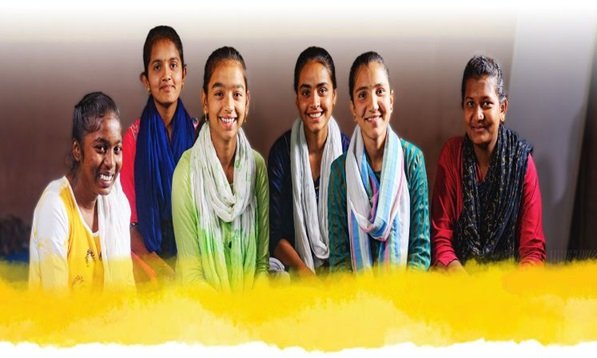

In a quiet village tucked deep into the interiors of rural India, a fourteen-year-old girl packs her notebook into a faded backpack. Elsewhere, just two lanes away, a group of elders gathers on a shaded veranda to discuss the logistical costs of an impending wedding feast. The girl knows what those whispers mean. Her education is on the line, about to be traded for a life defined by domestic isolation before her mind or body is fully formed.
This silent crisis unfolds thousands of times every single day across the country.
The immediate public reaction to this issue is usually emotional, driven by an instinctive urge to help. People want to step in, send resources, or fund immediate rescue operations. But stopping the machinery of early marriages requires much more than reactionary sympathy. It demands an understanding of the deep, invisible structural gears that make an illegal practice seem like an inevitable survival tactic to a struggling family. To understand this, we have to look at the severe friction between individual acts of charity and long-term systemic rights.
The Trap of Surface-Level Aid
When an individual decides to make a financial donation to a social cause, they are often looking for an immediate, tangible correlation. They want to see a specific school uniform purchased, a textbook delivered, or a single bicycle handed over to a student.
Frankly, this preference for short-term fixes creates a massive blind spot within development work. It is remarkably simple to distribute bicycles to young girls in a community to help them commute to a distant high school. It makes for an impactful narrative, and the immediate deployment of resources is easily quantified. But if the local community lacks a functional, secure environment, or if deep-seated cultural norms dictate that an adolescent girl’s safety is best preserved behind a husband’s doors, those bicycles will simply sit idle. The family will still pull her out of school the moment she reaches puberty.
The thing is, early marriage is rarely an act of malicious intent by parents. It is almost always a desperate, defensive response to crushing economic vulnerability, lack of institutional safety, and non-existent local opportunities.
Dismantling the Crisis at the Roots
This is where the real work begins, and where it gets complicated. If an intervention only focuses on the wedding day itself, it is just treating a symptom.
When the community itself learns to spot the early warning signs, like a girl suddenly missing school for days or a family falling into deep debt, they can step in and stop child marriage collectively, long before a wedding invitation is ever printed.
This is the core philosophy at CRY India. By working alongside state bodies, tracking school dropouts in real time, and shifting mindsets so daughters are viewed as individuals with infinite potential rather than financial liabilities, a permanent shield is built.
Transforming the Trajectory of a Generation
An effective social investment doesn’t just pause a harmful practice for a day—it completely rewires a family’s future. When you put resources into robust, community-led systems, the ripple effects permanently alter the local landscape.
- Mapping Vulnerabilities Early: Instead of guessing, local registers are used to identify high-risk households, making it possible to keep a close eye on vulnerable girls during the peak ages when dropouts happen.
- Sustaining Community Vigilance: Empowering local youth and village collectives ensures that the defensive infrastructure remains active, vigilant, and fully independent of short-term external aid.