
Introduction to Evaporative Cooling in Industrial Systems
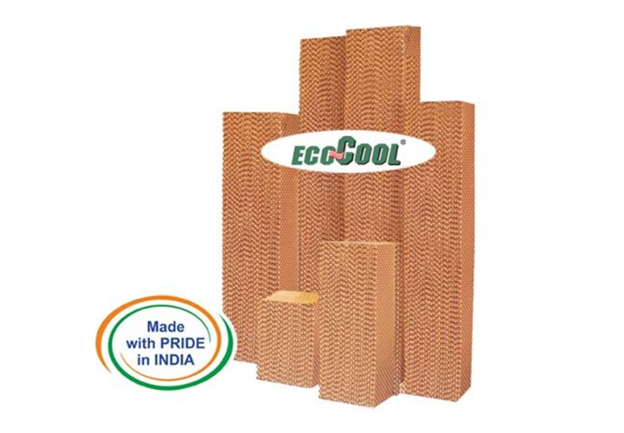
Industrial environments require stable air conditions to maintain efficiency, comfort, and controlled operations. One of the most effective and energy-conscious methods used today is evaporative cooling technology. At the center of this system is the evaporative cooling pad, which helps reduce air temperature using a natural evaporation process. This method works by passing warm air through a moist medium, where heat is absorbed and the air becomes cooler.
Evaporative cooling systems are widely used because they reduce dependence on energy-heavy mechanical cooling. They also support better air movement in large enclosed spaces. These systems are especially useful where continuous airflow and temperature balance are required. The design is simple but highly effective when applied correctly in industrial air systems.
How Evaporative Cooling Pads Work in Air Systems
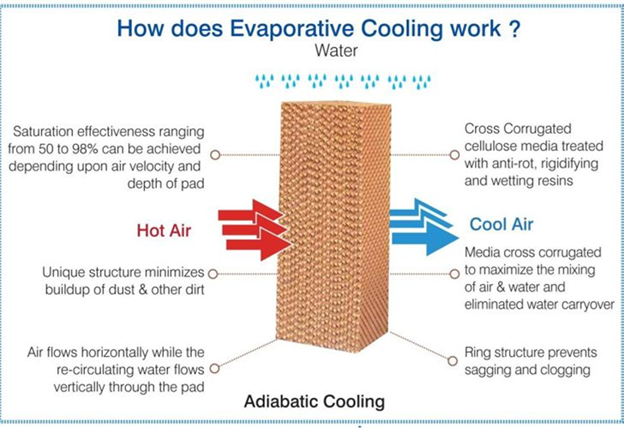
Evaporative cooling pads function by using water as a natural heat absorber. When hot air passes through the wet pad surface, water evaporates and reduces the air temperature. This process does not rely on chemical refrigerants or complex compressors. It depends mainly on airflow, water distribution, and pad surface quality.
The cooling efficiency depends on how well the pad holds water and allows airflow. A well-designed pad ensures maximum evaporation with minimum resistance. This leads to smoother air movement and stable cooling output.
Key working principles include:
- Warm air is drawn through a wetted pad surface
- Water absorbs heat and evaporates into the air
- Cooler air is circulated into the system
- Continuous water flow maintains cooling performance
- Air pressure remains stable during operation
These steps allow evaporative cooling to deliver steady performance with low energy usage. The simplicity of this system also reduces mechanical stress on connected HVAC components.
Industrial Integration and System Compatibility
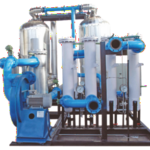
Modern industrial setups often combine evaporative cooling with advanced air handling technologies. These systems are designed to work together for improved efficiency and balanced airflow control. In some setups, energy recovery systems are also used to improve thermal performance. For example, technologies like paint shop heat recovery wheels help capture and reuse thermal energy, which supports overall system efficiency and reduces waste.
Evaporative cooling pads are often installed in ventilation systems where large volumes of air must be treated. This allows better temperature control without excessive energy demand. The integration is smooth because the system relies on airflow rather than high-pressure mechanical cooling.
Benefits of system integration include:
- Reduced energy consumption across HVAC networks
- Improved air circulation in large spaces
- Lower mechanical load on cooling systems
- Better thermal stability in controlled environments
- Enhanced system lifespan due to reduced stress
These advantages make evaporative systems suitable for long-term industrial applications where efficiency is a priority.
Role of Fresh Air Systems in Cooling Efficiency
Air quality plays an important role in industrial cooling performance. Systems that combine evaporative cooling with fresh air intake provide better environmental balance. A key component in this process is the fresh air handling unit, which regulates and conditions incoming air before it enters the workspace.
Fresh air handling systems work alongside evaporative cooling pads to ensure consistent air distribution. This helps maintain stable humidity and temperature levels. It also supports cleaner airflow by filtering incoming air before cooling begins.
Core advantages of fresh air integration:
- Improved indoor air quality through controlled airflow
- Balanced humidity levels in enclosed environments
- Continuous supply of treated air
- Reduced contamination in air circulation systems
- Better compatibility with evaporative cooling units
When these systems work together, they create a stable and energy-efficient air management solution.
Performance Benefits of Evaporative Cooling Pads
Evaporative cooling pads offer several performance advantages that make them suitable for industrial applications. Their design allows efficient cooling while maintaining low operational costs. The system does not require complex components, which reduces maintenance requirements and increases reliability.
Key performance benefits include:
- Low energy consumption compared to mechanical cooling systems
- Consistent cooling output in dry and semi-dry environments
- Simple operational design with fewer moving parts
- Reduced operational noise levels
- Enhanced airflow distribution across large spaces
- Lower maintenance requirements over time
These benefits make evaporative cooling pads a practical solution for industries looking to reduce energy usage while maintaining stable air conditions.
Additional technical strengths include:
- High water absorption efficiency
- Durable pad structure for long-term use
- Compatibility with multiple HVAC configurations
- Stable performance under continuous operation
- Easy integration with air handling systems
These features contribute to their growing adoption in modern air management systems.
Environmental and Operational Advantages
Evaporative cooling technology supports environmentally responsible cooling methods. It reduces dependency on chemical refrigerants and lowers overall energy demand. This makes it a sustainable choice for industrial air systems. The natural cooling process also minimizes environmental impact compared to traditional systems.
Environmental advantages include:
- No harmful refrigerants required
- Lower carbon emissions during operation
- Reduced electricity consumption
- Sustainable water-based cooling process
- Minimal environmental footprint
From an operational perspective, these systems also reduce long-term costs. They require less maintenance and have fewer mechanical components that can fail. This improves system reliability and reduces downtime.
System Selection and Design Considerations
Selecting the right evaporative cooling system requires careful evaluation of operational needs. Factors such as airflow requirements, environmental conditions, and system size must be considered. Proper system design ensures optimal cooling efficiency and long-term performance.
Important selection factors include:
- Airflow capacity requirements
- Pad material quality and water retention ability
- Compatibility with HVAC infrastructure
- Environmental temperature conditions
- Maintenance accessibility
Design planning is important because it directly affects system performance. Poor design can reduce cooling efficiency and increase operational costs. Proper system alignment ensures balanced airflow and stable temperature control.
Professional Support and System Optimization
Industrial cooling systems require expert planning for maximum efficiency. Professional evaluation ensures that all components work together effectively. Proper system calibration improves airflow balance and energy efficiency.
For technical assistance or system consultation, you can contact Desiccant Rotors International for support and guidance. Expert input helps in selecting the right configuration and ensures long-term system stability.
Conclusion
Evaporative cooling pads are an effective solution for industrial air management systems. They provide energy-efficient cooling, stable airflow, and reduced operational costs. Their simple yet powerful design makes them suitable for a wide range of industrial applications. When integrated with modern air handling and energy recovery systems, their performance becomes even more effective.
These systems support both operational efficiency and environmental responsibility. They offer a balanced approach to industrial cooling by combining natural processes with engineered design. This makes evaporative cooling pads a valuable component in modern HVAC strategies.
Frequently Asked Questions (FAQs)
1. What is an evaporative cooling pad used for?
An evaporative cooling pad is used to cool air by passing it through a wet medium. It helps reduce air temperature using natural evaporation without mechanical refrigeration.
2. How does evaporative cooling improve energy efficiency?
It uses water evaporation instead of compressors or refrigerants. This reduces electricity consumption and lowers overall operational energy use.
3. Are evaporative cooling pads suitable for all environments?
They perform best in dry and semi-dry conditions. Performance may vary in high humidity environments.
4. How long do evaporative cooling pads last?
Their lifespan depends on water quality, airflow conditions, and maintenance practices. Regular care helps extend performance life.
5. Can evaporative cooling systems work with HVAC units?
Yes, they integrate well with HVAC systems and improve overall air distribution and cooling efficiency.